RELEVANCE
Does the stated task need this fact at all?
THE PRIVACY COMPILER / PRODUCT
SHREDDAR does not apply one blunt redaction rule. It decides what the task needs, transforms each sensitive fact, and controls where the result can travel.
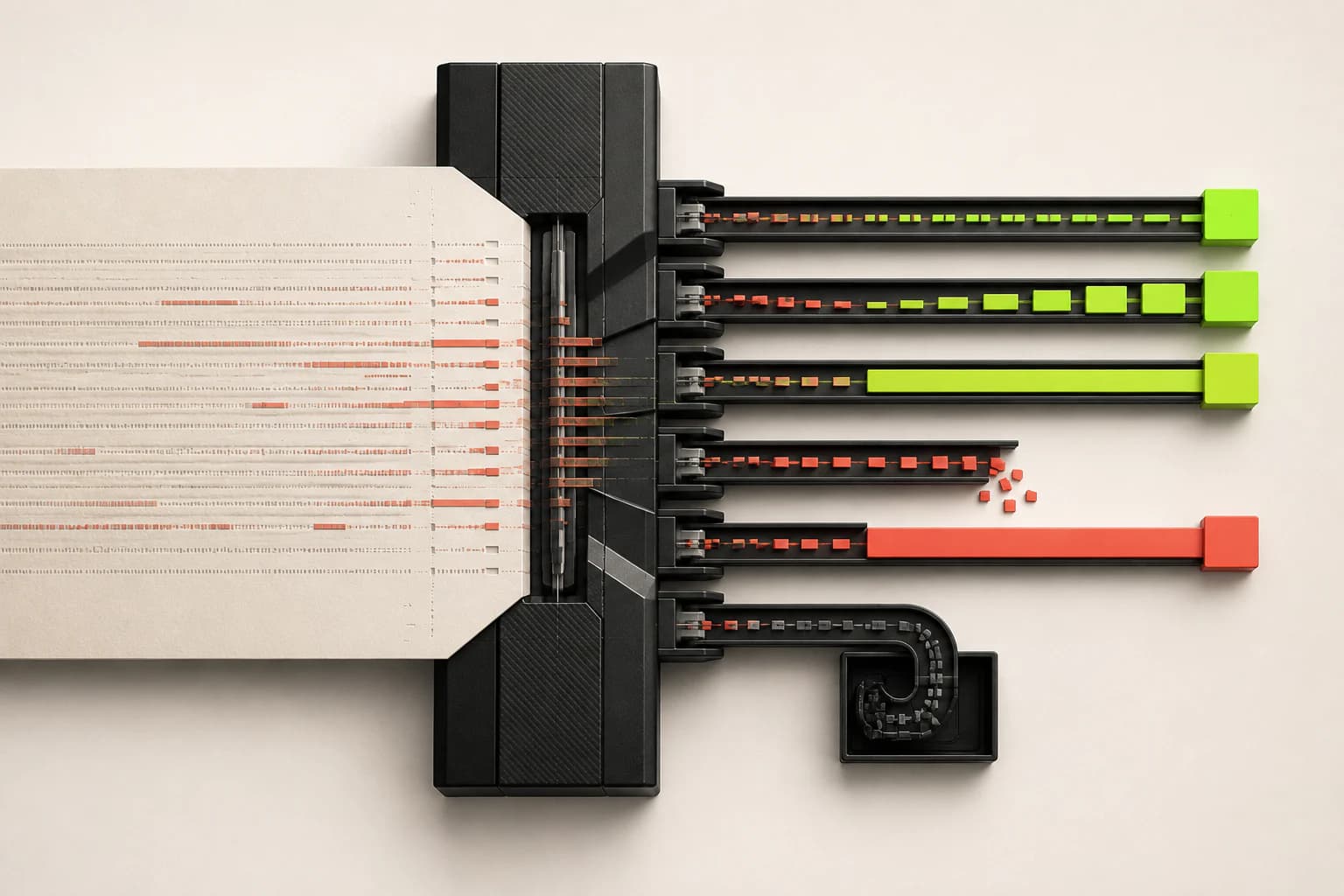
Traditional redaction asks what looks sensitive. SHREDDAR also asks what is necessary for this specific job. The same fact can be pseudonymized for one task, generalized for another, removed from a third, or held for local inference.
Does the stated task need this fact at all?
Would a range or category preserve enough utility?
Can this detail identify or reconnect the subject?
May the protected representation leave the trusted boundary?
Each action makes a different tradeoff between utility, precision, reversibility, and exposure. Policies choose by entity class; task minimization can remove facts the job does not require.
Keep the relationship
Replace a direct identifier with a stable typed placeholder. The model can follow who did what without receiving the original identity.
Mira Chen↓PROTECTED VIEW<PERSON_01>The reversible mapping stays in the current local Vault session.
Reduce the precision
Turn an exact value into the coarsest useful range. The task keeps scale or timing while losing unnecessary precision.
€82,471↓PROTECTED VIEW€80K–€90KUse when magnitude matters but the exact value does not.
Keep the function
Replace a named entity with a task-relevant category or role. Meaning survives while the link to a specific organization is weakened.
Rijksmuseum Twenthe↓PROTECTED VIEWregional cultural museumUse when function matters more than which exact entity it is.
Delete the irrelevant fact
Drop a field or complete line when the stated task does not need it. This is task minimization, not cosmetic masking.
mira@company.example↓PROTECTED VIEW— removed —Removed content is absent from the protected representation.
Stop the secret value
Replace credential-like material with a typed presence marker so a task may know a secret exists without exposing the secret itself.
demo_key_••••••••↓PROTECTED VIEW<API_SECRET_PRESENT>The original credential value is never eligible for forwarding.
Do not take this route
Mark sensitive classes for local inference. In gateway mode, a local-only route stops forwarding to a configured cloud model.
health information↓PROTECTED VIEW<HEALTH_INFORMATION_LOCAL_ONLY>The route—not only the wording—is constrained by policy.
03 / SHARD
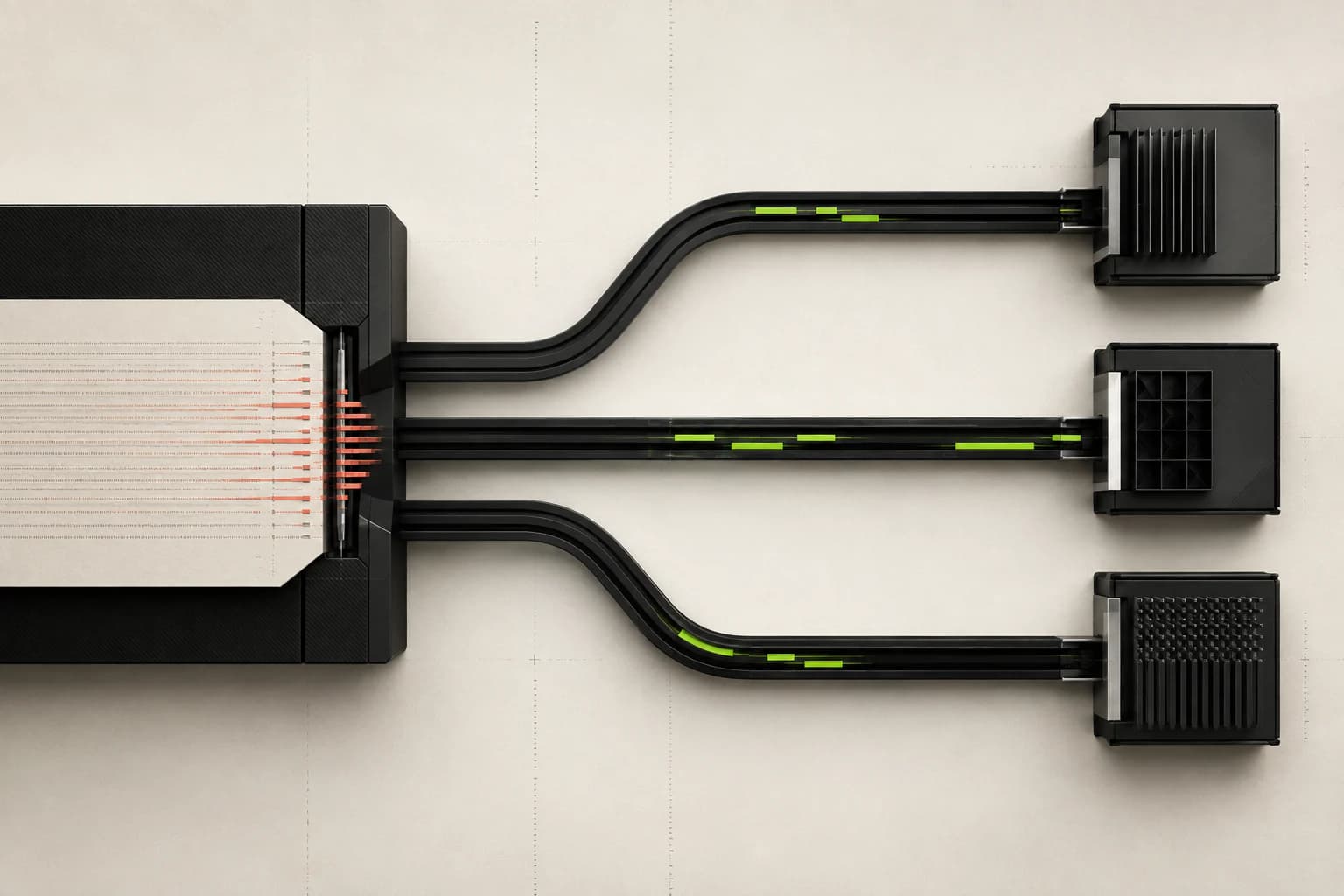
After transformation, SHARD can split a complex task into coherent compartments—for example obligations, financial terms, and termination. Each route receives only the facts its subtask requires.
PRECISE CLAIM SHARD reduces exposure; it does not create cryptographic secrecy. Correlation can remain possible when providers, metadata, or fragments overlap.
The answer returns protected. SHREDDAR inspects it, reconstructs only valid current-session placeholders inside the trusted boundary, and emits a receipt that describes the operation without copying the content.
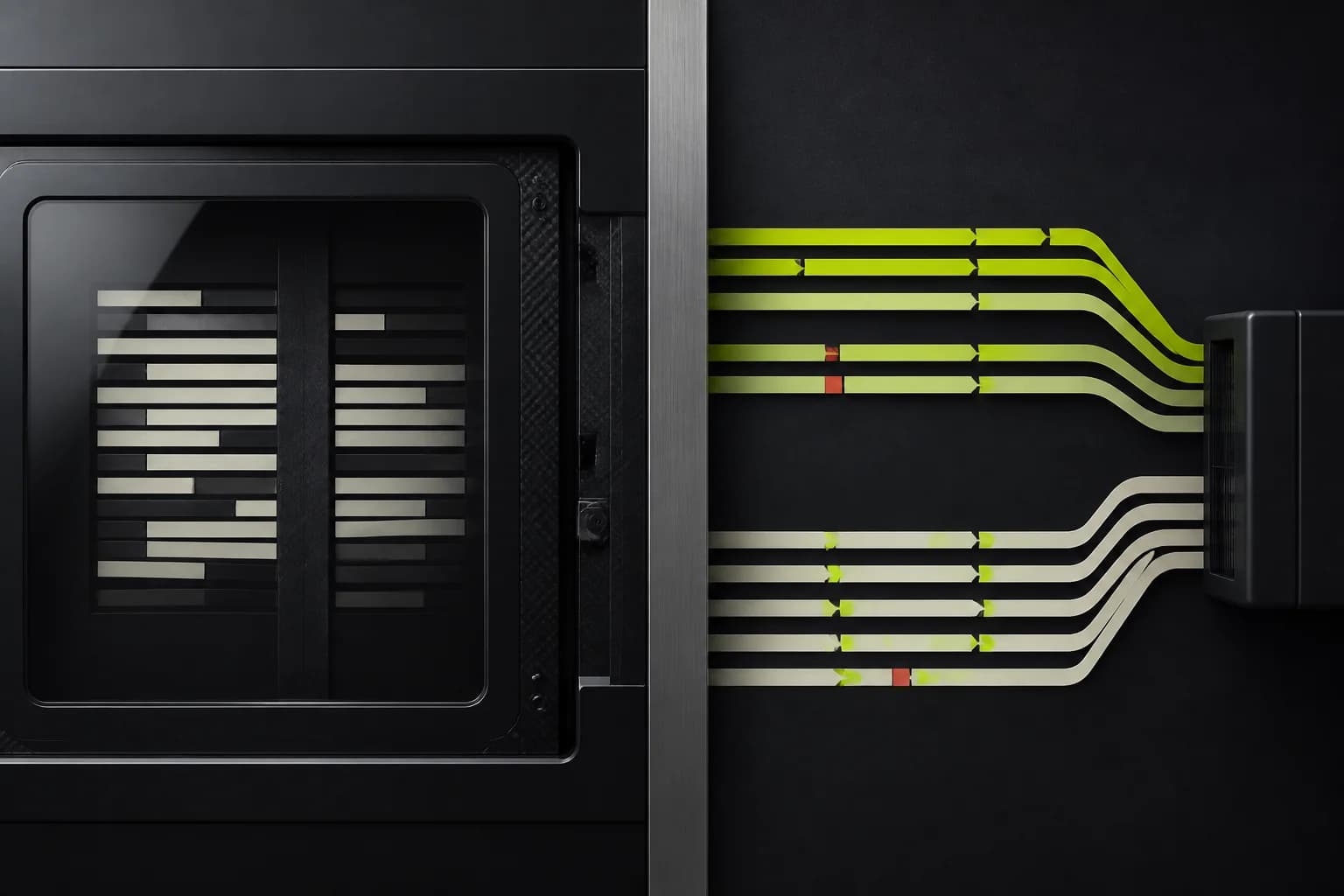
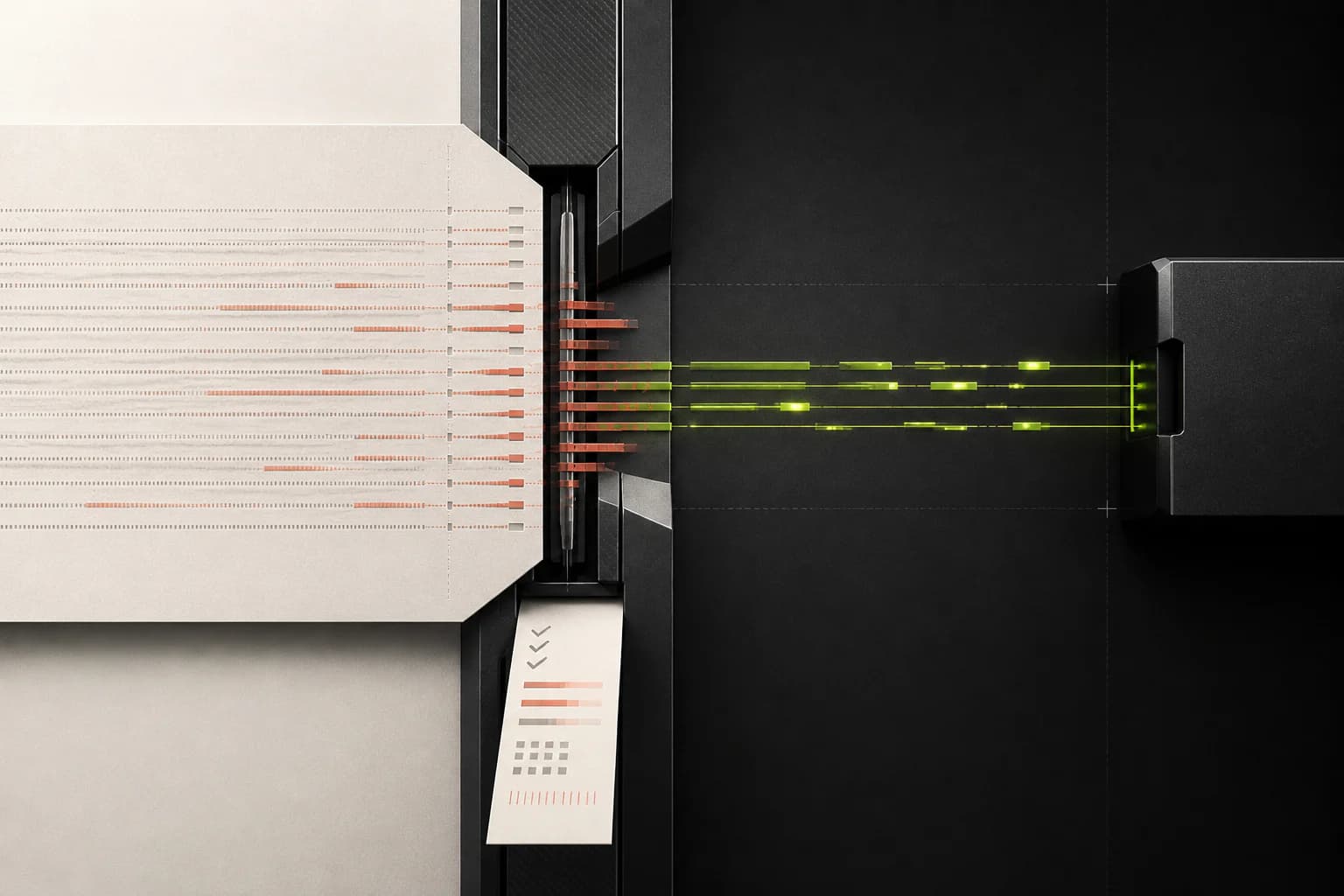
Transformation is one layer. The product boundary also governs routing, output inspection, reconstruction, and privacy-safe observability.
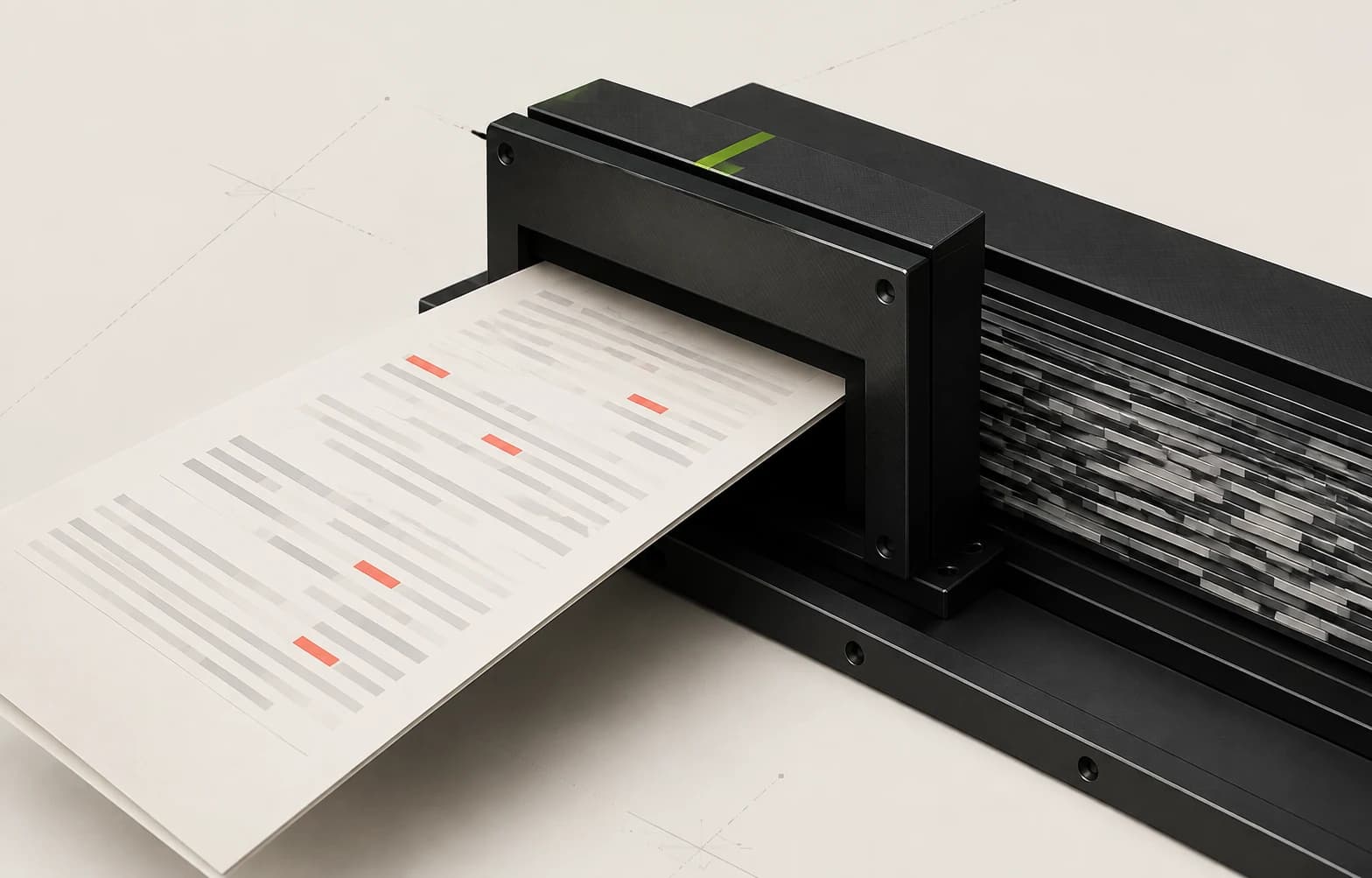
SOURCE ANALYSIS
SHREDDAR identifies sensitive entities, secrets, exact values, and linkable facts before any model route is opened.
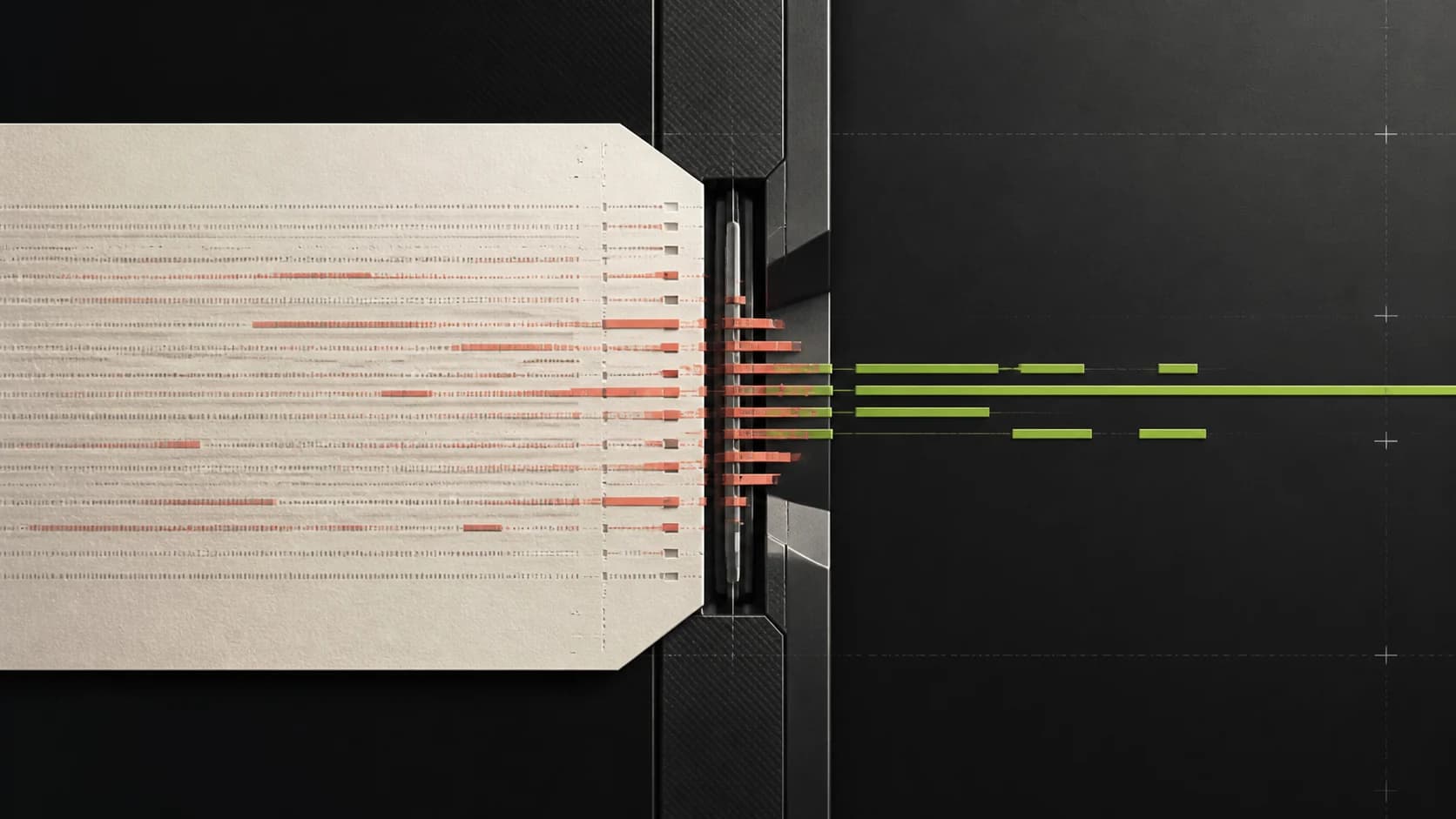
TASK MINIMIZATION
Task relevance and policy determine whether each fact should be kept, reduced, removed, blocked, or reserved for local inference.
PRIVACY COMPILATION
The compiler chooses the least revealing representation that still supports the task: pseudonymize, generalize, conceptualize, remove, block, or keep local.
EXPOSURE CONTROL
SHARD can separate coherent subtasks and send each route only the protected facts it needs, while local-only classes remain inside the boundary.

MODEL EXECUTION
Only policy-approved protected context reaches the configured model. The external route receives enough meaning to work, not the complete private document.
TRUSTED RETURN
The protected answer is inspected, then only authorized current-session placeholders are resolved against mappings held inside the local Vault.
PRIVACY-SAFE EVIDENCE
A Privacy Receipt records policy, action counts, route, timing, exposure, and integrity metadata without storing the raw prompt or response.
Stage 01 of 07: DETECT. Find what should not travel.
WHAT WORKS IN THE PUBLIC ALPHA
Text and supported file previews run in this tab. Use synthetic or authorized content.
The OpenAI-compatible gateway is designed to run inside the deployer's trust domain.
The deployed gateway is reserved for operator verification, not anonymous private-data processing.
Pseudonymized data may remain personal data. SHREDDAR reduces unnecessary disclosure.